
Reward programs are one of the most effective tools brands use to increase customer retention, average order value (AOV), and lifetime value (LTV). But not all reward programs are created equal — those that genuinely influence repeat purchases are purposefully designed with behavioral psychology, data insights, and seamless user experience in mind.
In this article, we explore real reward program examples and customer reward program examples from various industries — from ecommerce and retail to subscription and hospitality — and highlight loyalty rewards examples that have demonstrably increased repeat purchases and customer engagement.
According to Bain & Company, increasing customer retention rates by just 5% can increase profits by 25% to 95%. This underlines the strategic importance of high‑performing reward programs that turn one‑time buyers into loyal repeat customers.
What Makes a Reward Program Effective?
Before we dive into specific examples, let’s understand the core principles behind any high‑impact reward program.
Reward Structure Should Align With Customer Behavior
Exceptional reward programs focus not just on the reward itself but on the behavior being incentivized. Examples of behaviors include:
- First purchase
- Repeat purchase within a specified timeframe
- Reviewing or referring a friend
- Engaging across channels (mobile, in‑store, email)
Studies from McKinsey show that personalized and behavior‑driven loyalty programs outperform generic point systems, often increasing purchases by as much as 10–20%.
Seamless Integration Across Customer Touchpoints
A reward program should feel natural and consistent whether a customer engages:
- Online
- In‑store
- On a mobile app
Brands that unify reward mechanics across channels see higher repeat purchases because the experience feels cohesive and rewarding regardless of where the customer interacts.
Meaningful Rewards Over Coupons and Discounts
Discounts drive short‑term purchases but don’t always cultivate loyalty. The most effective reward programs focus on:
- Social recognition (VIP status, badges)
- Exclusive access (early access to products, events)
- Experiential rewards (special perks, community benefits)
Research from Forrester highlights that emotional motivators — such as community and exclusivity — significantly impact retention beyond monetary savings.
Customer Reward Program Examples That Increase Repeat Purchases
Below are real‑world examples of successful reward programs with analysis on what makes them effective:
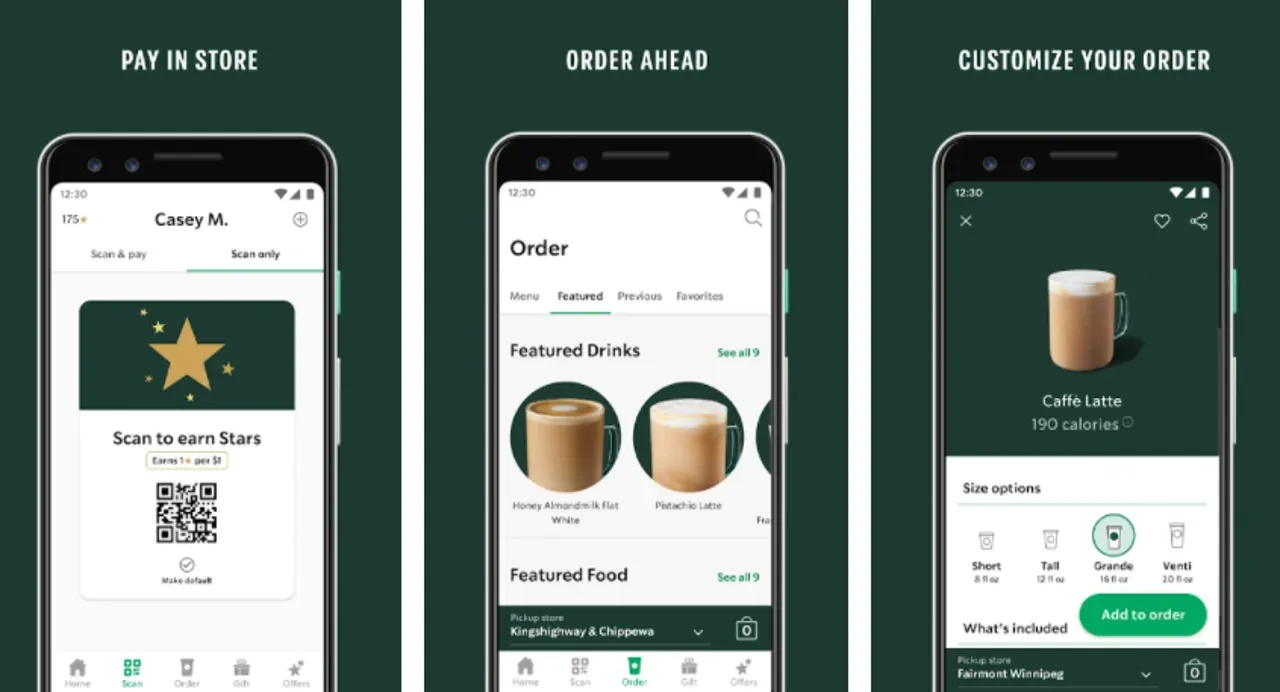
Example 1 — Starbucks Rewards
Why It Works:
- Uses a tiered point system that unlocks benefits as customers ascend levels.
- Integrates seamlessly with the Starbucks mobile app, allowing users to earn and redeem rewards in‑store and online.
- Encourages more frequent visits through time‑sensitive bonus challenges.
Key takeaway:
Starbucks leverages behavioral economics by rewarding frequency and consistency, not just cumulative spend.
✔ Reward Type: Tiered Stars + Bonus Challenges
✔ Best For: Frequent purchasers and mobile‑centric customers
✔ Outcome: Increased repeat visits and higher average ticket size
Example 2 — Sephora Beauty Insider
Why It Works:
- Offers three reward tiers (Insider, VIB, Rouge) with escalating perks.
- Rewards points for purchases and engagement actions like reviews and social shares.
- Provides experiential rewards such as exclusive events for top tiers.
Key takeaway:
Tiered reward structures tied to customer status amplify aspirational loyalty — customers strive to reach higher tiers.
✔ Reward Type: Tiered Points + Exclusive Perks
✔ Best For: High‑engagement customers
✔ Outcome: Higher LTV and community participation

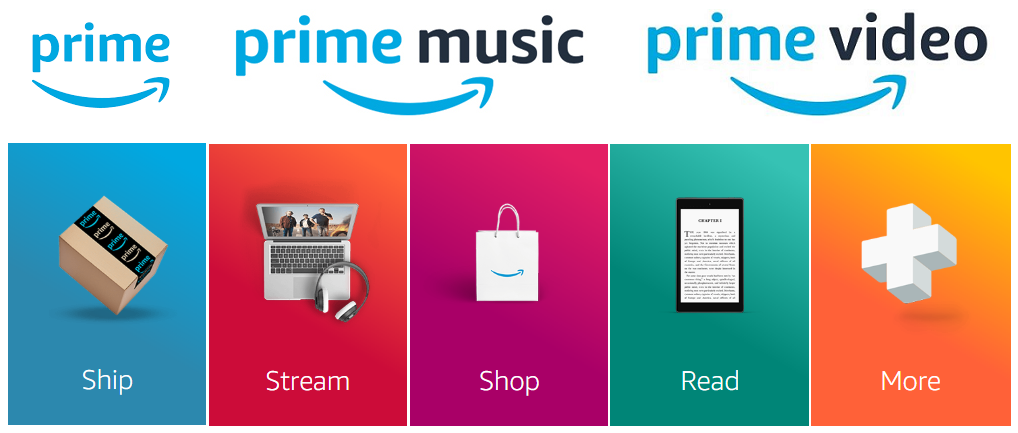
Example 3 — Amazon Prime
Why It Works:
- While not a classic “points” program, Prime’s benefits (free shipping, Prime Video, exclusive deals) function as loyalty incentives.
- Members are psychologically invested, making repeat purchases habitual.
Key takeaway:
Attaching loyalty to membership benefits rather than transactional points creates a stickier, long‑term relationship.
✔ Reward Type: Membership Benefits
✔ Best For: High‑frequency purchasers
✔ Outcome: Industry‑leading retention rates
Example 4 — Nike Membership
Why It Works:
- Rewards members with early product access, personalized training content, and exclusive experiences.
- Integrates digital tracking (app workouts) into the reward ecosystem.
- Encourages engagement beyond purchases.
Key takeaway:
Blending lifestyle value with rewards strengthens emotional loyalty and drives repeat engagement.
✔ Reward Type: Experience + Exclusive Access
✔ Best For: Brand‑centric communities
✔ Outcome: Higher engagement and deeper brand affinity

Loyalty Rewards Examples from Tech & SaaS
While retail and ecommerce dominate reward program discussions, SaaS and digital brands are also innovating:
Example 5 — Duolingo Streaks & XP Rewards
Why It Works:
- Uses streaks and experience points instead of traditional currency.
- Rewards consistent engagement, not just spending.
- Gamifies progress in a way that fosters habit formation.
Key takeaway:
Frequent engagement fueled by gamified rewards increases repeat behavior even in non‑transactional contexts.
✔ Reward Type: Gamified Engagement
✔ Best For: Subscription / engagement‑driven apps
✔ Outcome: Increased daily active use

Example 6 — Dropbox Referral Credits
Why It Works:
- Rewards users for referrals with additional storage space — a highly relevant reward within the product experience.
- Growth and loyalty are aligned.
Key takeaway:
Rewarding users for sharing and advocacy increases both retention and acquisition.
✔ Reward Type: Referral Incentives
✔ Best For: SaaS / digital products
✔ Outcome: Strong organic growth and sustained usage
Common Design Patterns in Effective Reward Programs
Pattern 1 — Tiered Loyalty Structures
Tiered programs (e.g., Silver / Gold / Platinum) increase engagement by offering aspirational goals.
Pattern 2 — Behavioral Incentives, Not Just Spend
Examples that reward actions like:
- Referrals
- Reviews
- Social shares
- Multi‑channel engagement
closely correlate with increased retention and repeat purchases.
Pattern 3 — Experience & Status‑Based Rewards
Rewards attached to status or experiences often outperform simple discounts, as they tap into emotional loyalty.
How to Apply These Examples to Your Brand
Step 1 — Start With Clear Loyalty Objectives
Decide whether you want to prioritize:
- Repeat purchase rates
- Customer retention
- Brand advocacy
Different objectives require different reward mechanics.
Step 2 — Use Data to Drive Reward Personalization
Reward programs that personalize offers (e.g., “earn 2x points this weekend when you buy X items”) outperform generic programs by up to 30%.
Step 3 — Implement Real‑Time Incentives
Modern loyalty software (like Hologrow) can trigger rewards at moments of high intent, increasing effectiveness.
Real‑World Reward Program Design Checklist
Use this checklist to audit or build your loyalty program:
✔ Do you segment customers based on behavior and value?
✔ Does your program reward engagement, not just purchase transactions?
✔ Are rewards redeemable across channels?
✔ Do you measure reward impact on repeat purchase lift?
✔ Can you personalize reward triggers in real time?
FAQ — Reward Programs That Drive Results
What are the best reward program examples?
The best reward programs focus on personalization, cross‑channel experience, and meaningful incentives that align with customer goals.
How do you measure the success of a reward program?
Measure KPIs like repeat purchase rate, cohort retention lift, redemption rate, and incremental revenue.
Should reward programs be points‑based?
Points are effective but not required — membership benefits, experiential rewards, or gamified incentives can be equally impactful.
Conclusion — What the Best Reward Program Examples Have in Common
The most effective reward programs in 2026 are:
- Intent‑aware and personalized
- Designed to foster repeat purchase behavior
- Integrated across web, mobile, and in‑store experiences
- Measurable with clear metrics (retention lift, incremental revenue, engagement rates)
By studying the examples above and applying their design patterns, brands can build loyalty programs that not only reward customers but also drive repeat revenue and long‑term brand loyalty.